
The Psychology of Reward Systems
The allure of slot machines is deeply intertwined with the psychology of reward systems. When players spin the reels, they experience a rush of dopamine, a neurotransmitter associated with pleasure and reward. This chemical reaction in the brain is activated by the excitement of potential wins, creating a sense of euphoria that can be highly addictive. Many find this thrill at a neosurf deposit casino , where the unpredictability of the outcome adds an element of suspense that keeps players engaged, making them feel as if each spin could be the one that changes everything. This mechanism mimics the same brain pathways activated by various forms of addiction, leading to a compelling and immersive experience that is difficult to resist.
Moreover, the near-miss phenomenon plays a significant role in enhancing the addictive nature of slot machines. When players come close to winning, such as landing two out of three matching symbols, the brain interprets it as a sign of potential success. This illusion of control encourages them to continue playing, hoping that the next spin will produce the anticipated win. Research indicates that this psychological trick effectively compels players to invest more time and money, as they believe they are on the verge of a victory. The near-miss effect can lead to a cycle of play that is hard to break, as each near win reinforces the desire to keep trying.
Additionally, the excitement of winning—whether it’s a small payout or a jackpot—fuels the desire to engage further with slot machines. Unlike traditional games of skill, which require effort and strategy, slot machines offer a fast-paced environment where outcomes are solely based on chance. This non-strategic gambling allows players to feel relaxed while remaining on an emotional high, driving them to keep pulling the lever or pressing the button for just one more spin. The combination of rapid play and immediate rewards creates a captivating experience that can lead to prolonged gambling sessions, making it challenging for players to step away.
The Role of Sensory Stimulation
Slot machines are meticulously designed to cater to players’ senses, creating an environment that enhances the gaming experience. Bright lights, vibrant colors, and captivating sounds are integral components that work together to create a thrilling atmosphere. Each sound effect, from the clinking of coins to the celebratory jingles upon winning, reinforces a sense of excitement that can be hard to resist. This sensory overload effectively immerses players in a world of entertainment, making it difficult for them to step away. The visual and auditory elements are carefully crafted to heighten emotional responses, which further drives the addictive nature of these games.
In addition to visual and auditory stimulation, the tactile sensations associated with playing slot machines contribute to their appeal. The physical act of pulling a lever or pressing a button evokes nostalgia, reminiscent of classic arcade games. This tactile feedback creates a satisfying experience that encourages players to continue engaging with the machine, reinforcing their desire to pursue further rewards. The combination of these sensory elements creates a compelling environment where players feel rewarded not only by potential monetary wins but also by the sensory pleasure of playing itself.
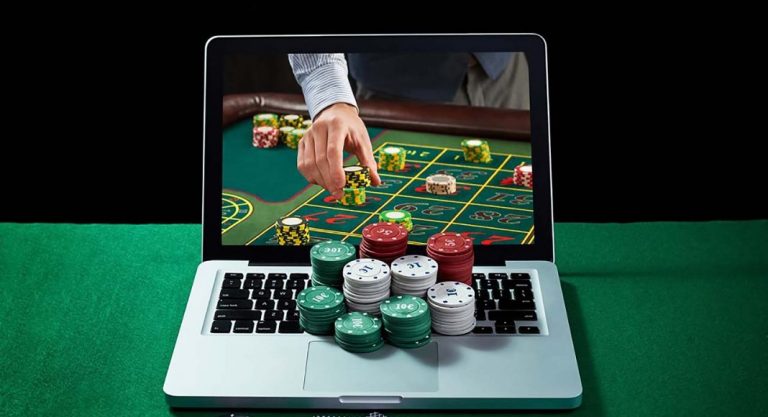
Furthermore, the ambiance surrounding slot machines is often designed to be inviting and comfortable, encouraging players to stay longer. Casinos frequently employ strategies such as providing free drinks or comfortable seating arrangements to promote extended playtime. The overall environment becomes a crucial factor in addiction, as players are subconsciously influenced by their surroundings to spend more time and money. By creating a space that feels welcoming and stimulating, casinos enhance the likelihood of prolonged engagement, further solidifying the addictive nature of slot machines.
The Impact of Game Design
The design of slot machines significantly contributes to their addictive nature. Game developers employ various strategies to enhance player engagement, such as introducing multiple paylines and bonus features. These elements not only make the games more exciting but also create additional opportunities for players to win. The thrill of hitting a bonus round or unlocking a special feature encourages players to continue playing, as they anticipate even greater rewards with each spin. This carefully crafted game design keeps players on the edge of their seats, driving them to play longer in hopes of achieving those coveted wins.
Moreover, the concept of “losses disguised as wins” plays a critical role in the game’s design. Slot machines are often programmed to provide frequent, smaller payouts that give the illusion of winning. For instance, a player may receive a payout for betting more than their actual stake, creating a false sense of success. This deceptive mechanic keeps players motivated to keep spinning, as they feel they are on a winning streak, even when they are losing money overall. By blurring the lines between winning and losing, game designers effectively manipulate players’ emotions and encourage them to prolong their gambling experience.
In recent years, the implementation of progressive jackpots has further intensified the allure of slot machines. These jackpots increase over time and can reach life-changing amounts, creating a sense of urgency and excitement among players. The potential for a massive payout becomes a powerful motivator, prompting players to return frequently in hopes of hitting the jackpot. The combination of engaging game mechanics, psychological manipulation, and the prospect of significant winnings contributes to the overall addictive nature of slot machines, making it essential for players to recognize these factors when gambling.
Social Factors and Community Influence
The social aspects of playing slot machines also play a role in their addictive appeal. Many casinos provide a social atmosphere where players can interact, share experiences, and celebrate wins together. This sense of community fosters a positive environment that encourages players to continue their engagement with slot machines. The camaraderie built around shared experiences can make gambling feel more rewarding and enjoyable, leading to longer play sessions. The social dynamics present in casino environments create a sense of belonging that can further entrench players in their gambling habits.

Additionally, modern technology has enabled online slots to incorporate social features that enhance player interaction. Players can compete with friends, share their achievements, and even participate in tournaments, making the gaming experience much more interactive and communal. These features create a sense of belonging, turning solitary play into a shared activity that can foster compulsive behavior, as individuals seek acceptance and recognition within their social circles. The ability to connect with others while playing can mask the risks associated with gambling, further deepening the addiction.
The influence of peer behavior cannot be underestimated when considering the addictive qualities of slot machines. Individuals may be more likely to play when they see friends or family enjoying themselves at the machines. The desire to fit in or maintain social bonds can drive people to engage in gambling activities, even if they have reservations about it. As the social dynamics surrounding slot machines evolve, so does their potential for addiction, emphasizing the importance of understanding these factors in addressing gambling behavior and promoting responsible gaming.
The Importance of Responsible Gaming Awareness
In light of the addictive nature of slot machines, promoting responsible gaming practices is crucial for both players and operators. Awareness programs aimed at educating players about the risks associated with gambling can help mitigate the impact of addiction. Providing information on setting limits and recognizing the signs of problematic behavior is essential for fostering a healthier gambling culture. By empowering players with knowledge, the gambling community can work towards reducing the negative consequences associated with gaming.
Moreover, casinos and online platforms can implement measures to promote responsible gaming by incorporating features that allow players to set deposit limits or take breaks. By encouraging players to self-regulate, casinos can help reduce the likelihood of developing harmful gambling habits. These initiatives not only protect players but also promote a more sustainable gaming environment. Operators have a responsibility to ensure that their games are enjoyable without leading to compulsive behavior, making responsible gaming a key aspect of their operations.
Additionally, players must take personal responsibility for their gambling habits. Self-reflection and mindfulness can play a significant role in recognizing when gaming becomes problematic. Understanding the signs of addiction and seeking help when necessary can empower individuals to make healthier choices. By fostering a culture of awareness and responsibility, the gambling community can work together to combat the addictive nature of slot machines and promote healthier gaming practices. Creating an environment where players feel supported in their journey can significantly reduce the risks associated with gambling addiction.